
norwalk film works
Sunday, March 22nd — 10:00am - 2:00pm, space67 studios (67 Wall St)
We aim to give emerging and regional filmmakers direct access to working professionals and practical production insight and strengthen the creative ecosystem behind them—helping filmmakers better understand on-set collaboration, elevate production value, and discover career pathways across the many crafts that define modern filmmaking.
Workshops are FREE to attend but registration recommended
Makeup for Film & Camera
Designing faces for story, light, and lens.
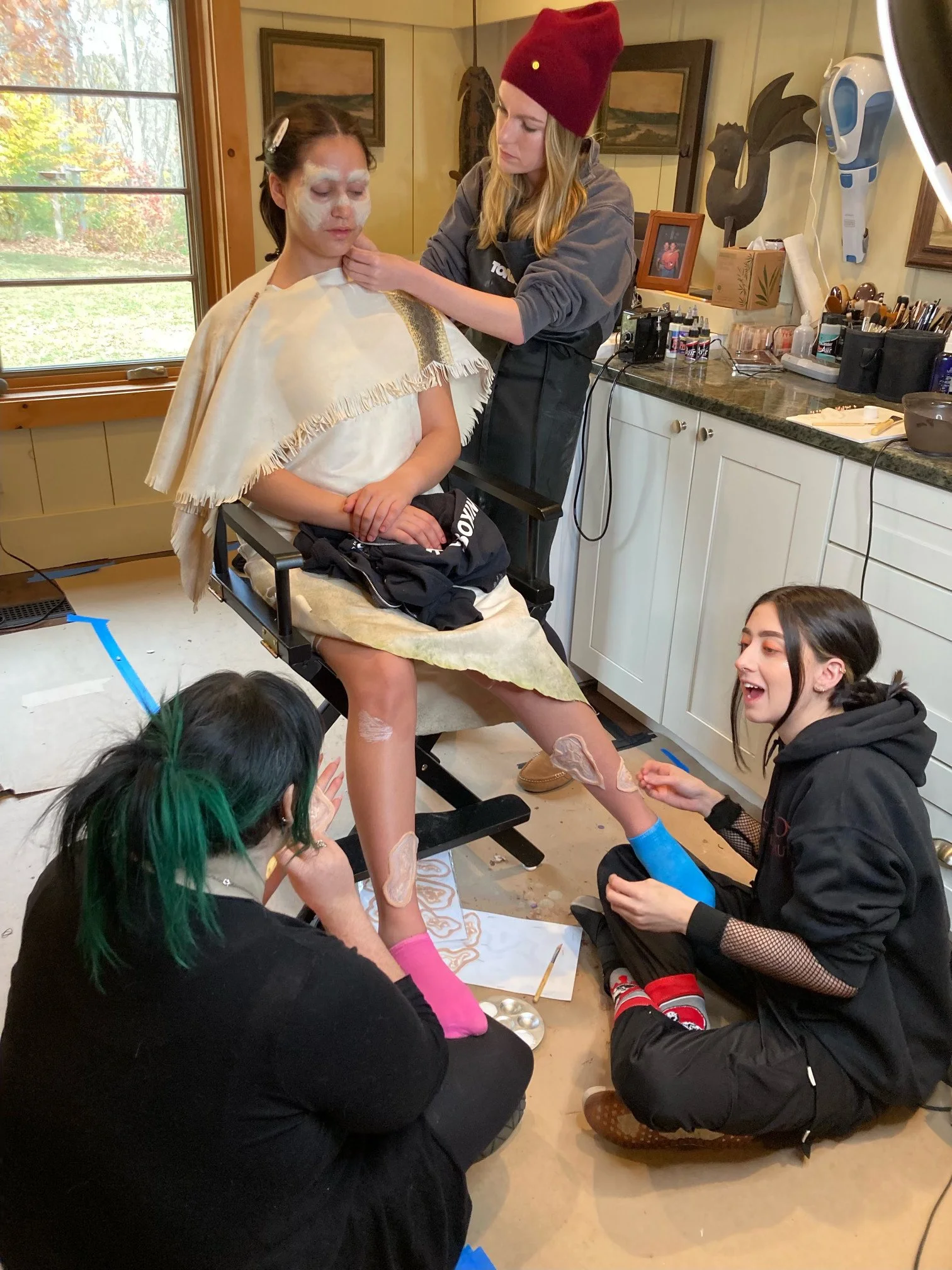
In this hands-on session, Meaghan Eliot breaks down the fundamentals of makeup specifically for film production. The lab covers corrective and character makeup, working with different lighting setups, and collaborating with directors and cinematographers to maintain consistency across scenes shot out of order.
Participants will gain insight into how on-camera makeup differs from everyday or event makeup, and how thoughtful design choices support performance and visual storytelling.
Why it matters:
Film makeup is essential to how audiences connect with characters. It ensures actors look natural under high-resolution cameras, maintains continuity across shooting days, and helps create believable worlds—from grounded realism to stylized genres.
Hair Design for Film
Shaping character from the first frame.
Led by Meaghan Eliot, this lab explores how professional hair design supports storytelling on screen. Participants will learn how hair choices help define character, period, tone, and genre, while also addressing the technical realities of working on set—continuity, lighting, weather, and fast-paced production schedules.
Through practical examples from narrative and commercial work, Meaghan will demonstrate how subtle design decisions influence audience perception and help actors fully inhabit their roles.
Why it matters:
Hair is one of the fastest visual signals of character identity. From period accuracy to emotional transformation, strong hair design enhances realism, continuity, and overall production value—critical tools for filmmakers at any level.
Propping for Film
Every object tells a story.
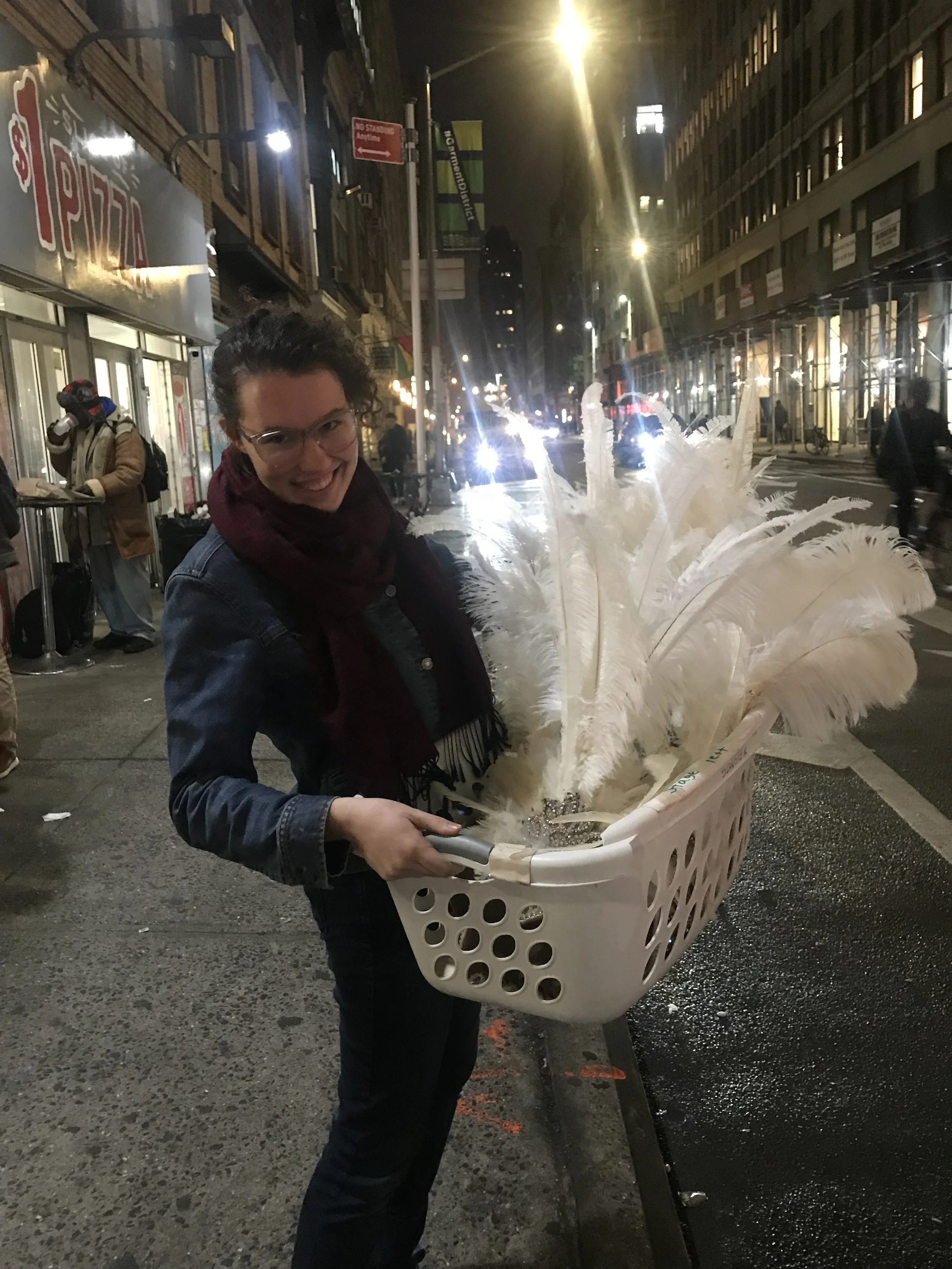
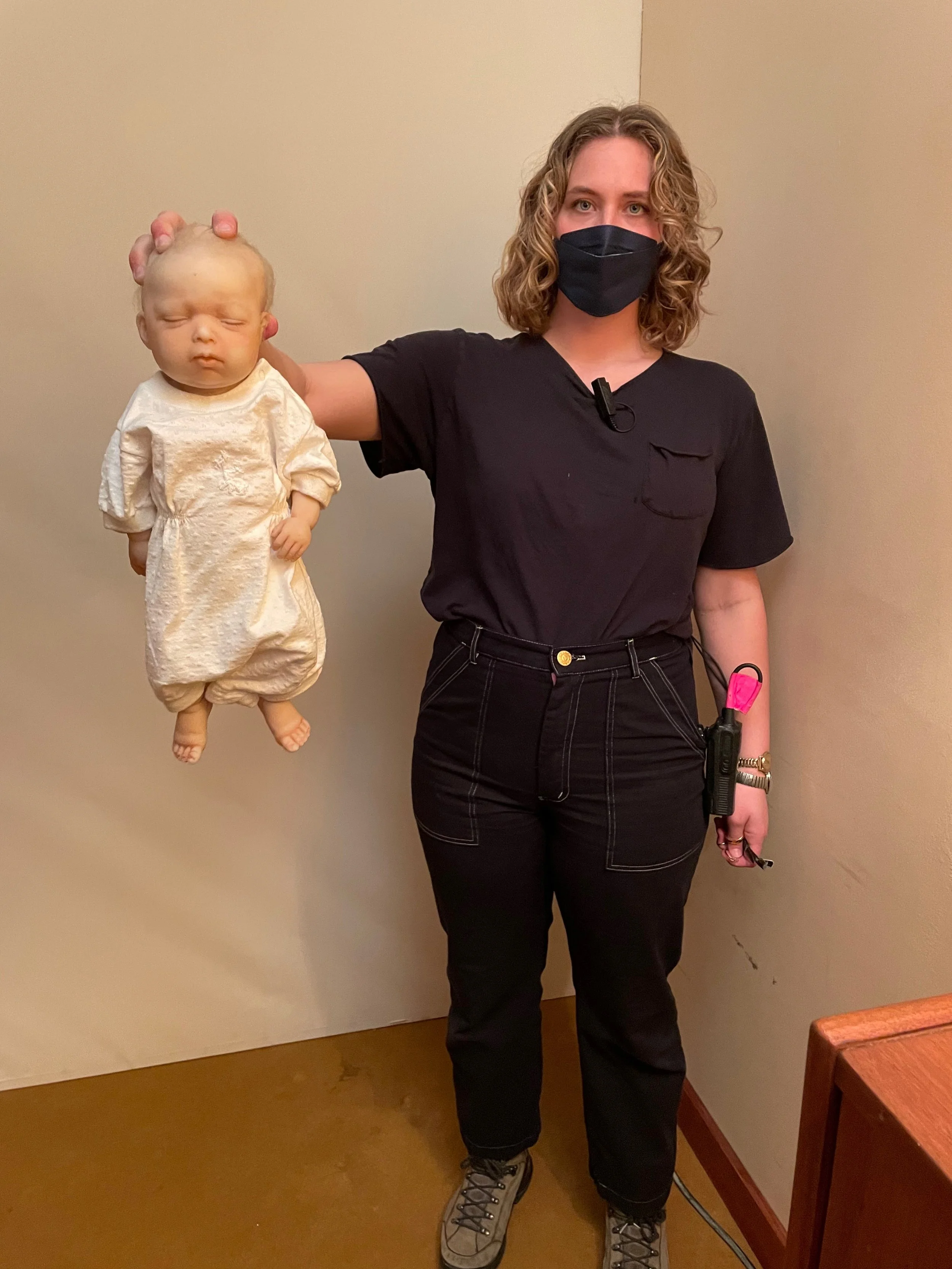
Led by Rae DeWilde-Taylor, this lab explores how propping functions as a key storytelling tool in film and television.
Rae has worked in the film industry since 2014, beginning as an intern and gaining experience across multiple departments before finding her home in props. She has worked on both short films and major productions including The Marvelous Mrs. Maisel, Goosebumps, and The Devil Wears Prada 2. Her work often focuses on food styling and fabrication, though she has experience in nearly every role within the department.
In this session, Rae will walk participants through how scripts are broken down for prop needs, how “hero” props are developed, and how everyday objects help define character, tone, and authenticity. She will also discuss collaboration with other departments, maintaining continuity during out-of-order shooting, and the practical workflow that keeps a production running smoothly.
Why it matters:
Props are often the most intimate bridge between a character and their environment. Thoughtful propping deepens realism, supports performance, and quietly elevates the storytelling on screen.
Costume Design for Film
Clothing the character, shaping the world.
Led by Allison Kirstukas, this lab explores how costume design functions as a core storytelling tool across film, television, theatre, and commercials. A New York- and Connecticut-based designer, Allison brings extensive on-set and design experience, with recent credits including Candlewood, The Holiday Dating Guide, Kidnapped by a Killer: The Heather Robinson Story, and Killing the Competition. She also served as Key Set Costumer on The Featherweight—nominated for Best Film at the Venice Film Festival—and as Assistant Designer on the upcoming feature Midnight starring Rosario Dawson and Milla Jovovich.
In this session, Allison will guide participants through how costumes are conceptualized, researched, sourced, fitted, and maintained throughout production. Emphasizing collaboration with directors and actors, she will break down how wardrobe supports performance, continuity across out-of-sequence shoots, and the overall visual language of a film. As a designer, Allison prioritizes building rich, authentic characters through the nuanced details of dress—showing how clothing becomes an extension of psychology and story.
Why it matters:
Costume design is one of the most immediate ways audiences understand character, time period, and tone. Wardrobe choices subtly communicate status, personality, and transformation—often before a character speaks. For filmmakers, strong costume design deepens world-building, strengthens performances, and elevates production value, while practical wardrobe planning keeps productions organized and efficient on set,
Workshops are FREE to attend but registration recommended